
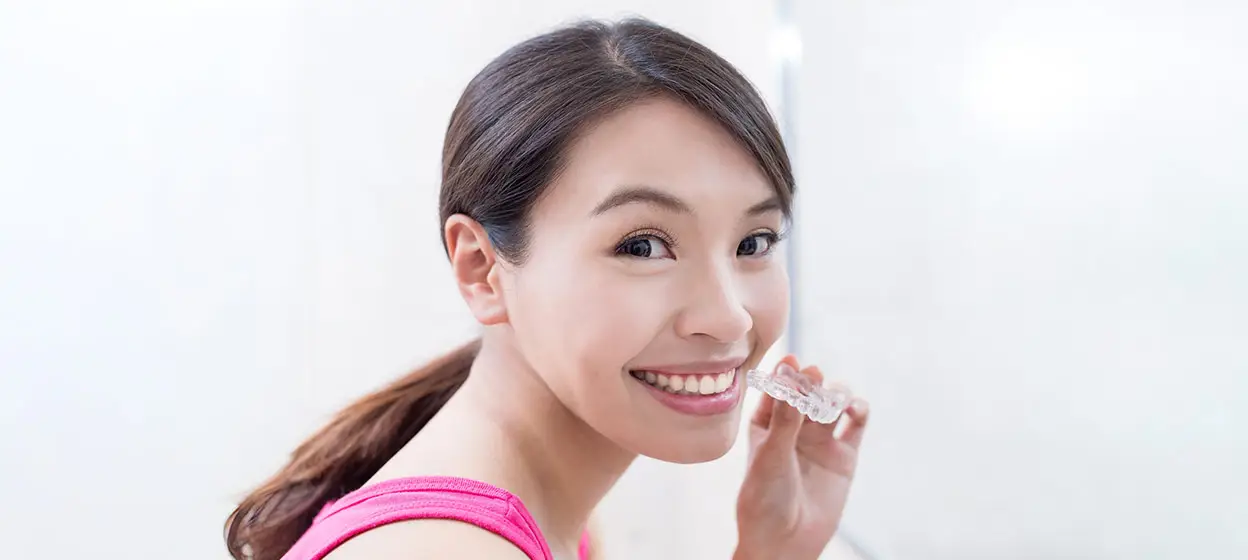
Vivera Retainers in San Francisco, CA
Completing Invisalign® or another clear aligner treatment is only one stage of the orthodontic process, and maintaining the results requires consistent retention. Without wearing your retainer as directed, teeth can gradually shift while the surrounding tissues continue to stabilize. Patients interested in Vivera retainers in San Francisco, CA can visit Union Square Dental Care for a personalized consultation, digital scanning, and guidance on maintaining their orthodontic results. Dr. Angela An, DDS, Dr. Benjamin An DDS and Dr. Jen-Yin Chen DDS, review your bite, tooth position, and current retainer before recommending the most appropriate solution.
Why Retainers Matter After Orthodontic Treatment
Teeth are supported by bone, ligaments, and gum tissue that continue adapting after orthodontic movement is complete. Even after active orthodontic treatment ends, normal chewing forces, aging, and oral habits can gradually influence tooth position. Wearing a retainer as instructed helps minimize unwanted tooth movement and promotes long-term orthodontic stability.
A retainer is commonly recommended after Invisalign®, traditional braces, or other orthodontic treatment. Replacement may also be appropriate when a previous appliance has been lost, damaged, or no longer fits correctly. Patients who notice new spacing or crowding should schedule an examination instead of continuing to wear a retainer that no longer fits properly.
A Clear and Customized Retention Option
Vivera retainers are clear removable appliances designed to adapt closely to the teeth contours. Their discreet appearance makes them a practical option for patients who prefer a less noticeable appliance during nighttime or prescribed daytime use. Each appliance is created from a digital impression of the patient’s current tooth position to provide an individualized fit.
These retainers are designed to preserve tooth position rather than move teeth into a new alignment. If noticeable shifting has already occurred, the dentist will determine if retention alone is sufficient or if additional orthodontic treatment is advisable. A clinical examination helps confirm that the selected appliance is appropriate for the patient’s current tooth position and bite.
Digital Scanning and Retainer Fabrication
The process usually begins with an examination of the teeth, bite, gums, and any existing retainer. A digital scanner captures comprehensive images of the dental arches, often eliminating the need for traditional impression material. The scan is then used to create custom-made retainers that fit the contours of the teeth.
Once the appliances are ready, the dental team verifies comfort, stability, and proper seating without excessive pressure. Patients receive detailed guidance on inserting, removing, cleaning, and storing their retainers. The dentist also explains the recommended wearing schedule based on the completed orthodontic treatment and the time since active tooth movement ended.
Replacing a Lost, Damaged, or Worn Retainer
Retainers can become scratched, warped, cracked, or loose with regular use. The appliance may also become distorted if exposed to heat, cleaned with harsh products, or stored improperly. A damaged retainer should not be ignored because it may no longer keep the teeth in their intended positions.
People searching online for Vivera retainers near me may need a replacement after losing a retainer or noticing visible signs of wear. Early assessment is important because teeth can begin shifting when retainer use is interrupted. Depending on tooth position at the time of the visit, a new digital scan may be taken before a replacement is made.
Caring for Your Retainers
Proper daily care helps preserve cleanliness, clarity, and the shape of the appliance. Retainers should be rinsed after removal and cleaned according to the instructions provided by the dental team. Hot water should be avoided because heat can alter the shape of the appliance. Store the retainer in its protective case whenever it is not being worn.
Patients should also avoid eating while wearing the appliance unless instructed otherwise by their dentist. Brushing and flossing before reinsertion can reduce trapped plaque and food particles. Regular dental visits let the dentist examine the appliance, monitor tooth position, and identify wear before replacement becomes necessary.
Supporting Long-Term Smile Stability
A Post-Invisalign retainer plays an important role in the long-term maintenance phase following orthodontic treatment. Consistent use helps preserve the results achieved during orthodontic treatment. The recommended schedule may change over time, but many patients continue nighttime use to maintain stable tooth positions.
Regular monitoring is particularly beneficial for patients with a history of crowding, spacing, or bite concerns. During follow-up visits, the dental team can confirm that the retainer remains comfortable, secure, and in good condition. Changes to the recommended wearing schedule may be discussed based on clinical findings and long-term stability.
Maintain Your Results With Personalized Retainer Care
A properly fitted retainer helps maintain tooth position while remaining comfortable and discreet during daily use. The dental team provides digital scanning, fitting, replacement guidance, and ongoing monitoring to help maintain your orthodontic results. Patients from San Francisco and nearby communities, including Daly City, South San Francisco, Brisbane, Oakland, Emeryville, and Alameda, can schedule a consultation for retainer care.
FAQs
Wear instructions vary based on your treatment history and tooth stability. Many patients begin with more frequent use and later transition to nighttime wear as directed by their dentist.
Replacement may be needed when the appliance becomes cracked, warped, loose, heavily worn, or no longer fits comfortably. A dental evaluation can determine whether a new scan is appropriate.
Retainers are designed mainly to hold teeth in position. Minor movement may affect fit, but noticeable shifting usually requires a professional assessment before the appliance is worn.
Rinse them after removal and use the cleaning method recommended by your dental team. Avoid hot water, abrasive toothpaste, and harsh chemicals that could damage the material.


