
Dental Retainers in San Francisco, CA
Completing your braces or clear aligner treatment is an important stage, but preserving the new tooth positions requires ongoing retention. Without consistent retainer use, chewing forces, aging, and oral habits can gradually cause the teeth to shift. Individuals seeking dental retainers in San Francisco, CA can visit Union Square Dental Care for a detailed examination, digital scanning, and recommendations based on their orthodontic history. Dr. Angela An, DDS, Dr. Benjamin An DDS and Dr. Jen-Yin Chen DDS, evaluate tooth alignment, bite stability, gum health, and any existing appliance before recommending an appropriate fixed or removable retainer.
Why Retainers Are Needed After Orthodontic Treatment
Teeth are supported by bone, ligaments, and gum tissue that continue to reorganize after orthodontic movement ends. These tissues need time to stabilize, and gradual tooth movement can still occur years after treatment. Wearing dental retainers as instructed helps maintain the results achieved with braces or aligners while reducing the risk of unwanted spacing, crowding, or bite changes. Retention plans vary, so the recommended schedule depends on the original tooth movement, type of orthodontic care, and long-term stability of the bite.
Custom Retainers Made for Your Teeth
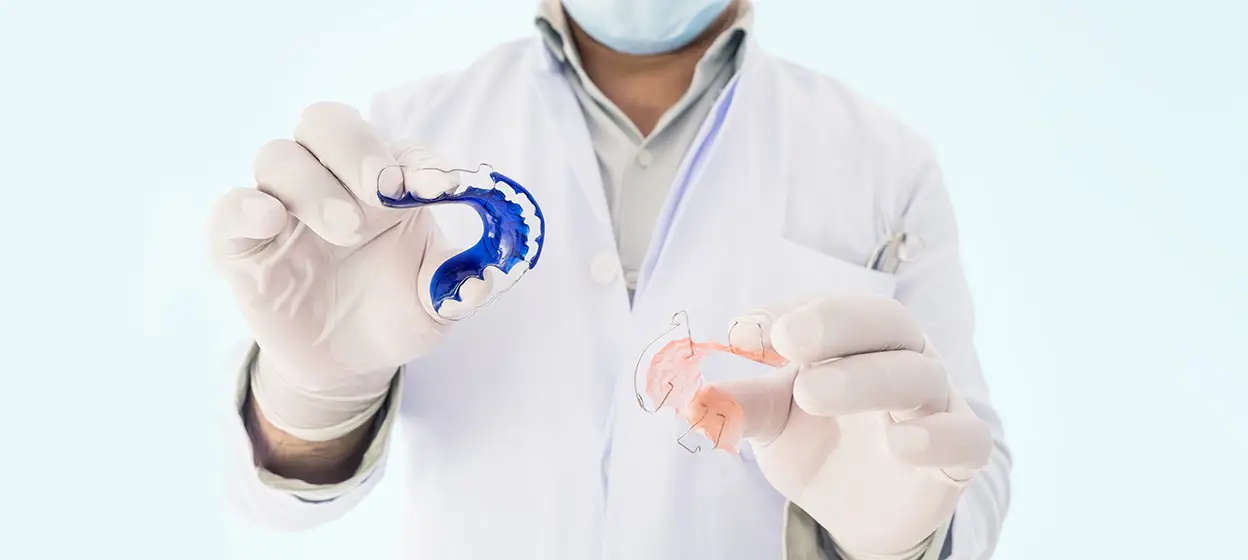
Professionally fabricated retainers for teeth are made to follow the contours of the dental arches for secure and comfortable use. The process commonly begins with an oral examination and a digital impression or intraoral scan, which records the current tooth positions and often eliminates the need for conventional impression material. Based on the patient’s orthodontic history and current alignment, the dentist may recommend a clear removable retainer, a wire-and-acrylic appliance, or a fixed wire bonded behind selected teeth.
Fixed and Removable Retainer Options
Removable retainers can be conveniently taken out for eating, brushing, and cleaning, while fixed retainers remain attached behind the teeth and require careful daily oral hygiene. Each type offers different advantages, and the appropriate choice depends on tooth position, previous orthodontic concerns, lifestyle, and ability to follow wearing and cleaning instructions. Some patients may use a fixed wire on selected teeth together with a removable retainer to help maintain alignment across the dental arch.
Replacing a Lost or Damaged Retainer
A retainer should be evaluated if it becomes cracked, loose, warped, uncomfortable, or no longer fits completely over the teeth. People searching online for dental retainers near me may need an early evaluation after losing an appliance or noticing that it no longer fits properly. Delaying care may allow further tooth movement, which can affect how a replacement retainer is made. During the visit, the dentist examines tooth position and determines whether a new scan, adjustment, repair, or replacement is appropriate.
Can Retainers Move Teeth Back Into Place?
Individuals may consider retainers to straighten teeth after noticing minor movement. Retainers are primarily intended to hold teeth in place rather than perform active orthodontic correction. A slightly tight appliance may reflect minor movement, but forcing an old retainer over noticeably shifted teeth can cause pain or damage the retainer. A professional evaluation can determine if the existing appliance remains safe to wear or if limited orthodontic treatment should occur before a new retainer is made.
Wearing a Retainer at Night
A night retainer is often introduced after the initial full-time phase, although the timing differs for each patient. Many people continue nighttime use because teeth may remain susceptible to movement throughout adulthood. The dentist provides wearing instructions based on clinical findings and may revise the schedule during follow-up visits. Consistent use helps maintain tooth position more reliably than wearing the appliance only after tightness or visible shifting develops.
Caring for a Removable Retainer
Proper care helps preserve the appliance’s shape, cleanliness, and comfort. Removable retainers should be rinsed after use, cleaned as directed by the dentist, and stored in a protective case when not in place. Hot water, abrasive toothpaste, and harsh household cleaners should be avoided because they may scratch or distort the material. Brushing and flossing before reinsertion also help reduce plaque buildup, trapped food particles, and odors.
Monitoring Retainer Fit and Tooth Stability
Regular dental visits let the dentist assess tooth stability, bite function, gum health, and appliance condition. Even a retainer that appears intact may become worn or fit less accurately over time. Ongoing monitoring can identify early tooth movement, plaque buildup around fixed wires, or fit concerns that require an adjustment. Patients should schedule an evaluation if the appliance suddenly feels tighter, looser, painful, or no longer fits as expected.
Maintain Your Orthodontic Results With Personalized Care
A properly fitted retainer can help preserve orthodontic results while supporting stable tooth positions and bite function. Individuals from San Francisco and nearby communities, including Daly City, South San Francisco, Brisbane, Colma, Pacifica, Oakland, Emeryville, and Alameda, can schedule a retainer consultation for fitting, replacement, or long-term monitoring.
FAQs
The schedule depends on your orthodontic history and tooth stability. Many patients begin with extended daily wear and later transition to nighttime use as directed by their dentist.
Do not force it into place. Schedule an examination so the dentist can check for tooth movement, distortion, or damage and recommend the appropriate next step.
Replacement timing varies based on the material, frequency of use, cleaning habits, and pressure placed on the appliance. Cracks, warping, looseness, or poor fit are common reasons for earlier replacement.
Removable retainers should generally be taken out before eating unless your dentist gives different instructions. This helps reduce damage, staining, and trapped food particles.


